
Merlin Changes RAP Pass: What This Means for Disneyland Paris Priority Passes

News that Merlin changes RAP Pass eligibility at its UK theme parks is sparking a lot of hot conversations right now. I’ve seen posts filled with confusion, anger, and genuine fear, particularly from autistic and neurodivergent families who rely on access systems to make theme park visits possible.
Naturally, this has led to one big question cropping up again and again: does this mean Disneyland Paris priority passes are about to change too?
So let’s slow this right down and look at what is actually happening, what applies only to Merlin parks, and what this means (and doesn’t mean) for your Disneyland Paris accessibility pass right now.

Who Are Merlin, and What Is an RAP?
Before we get into what’s changed, it helps to understand who this actually affects.
Merlin Entertainments is a theme park operator that runs attractions such as:
- Alton Towers
- Thorpe Park
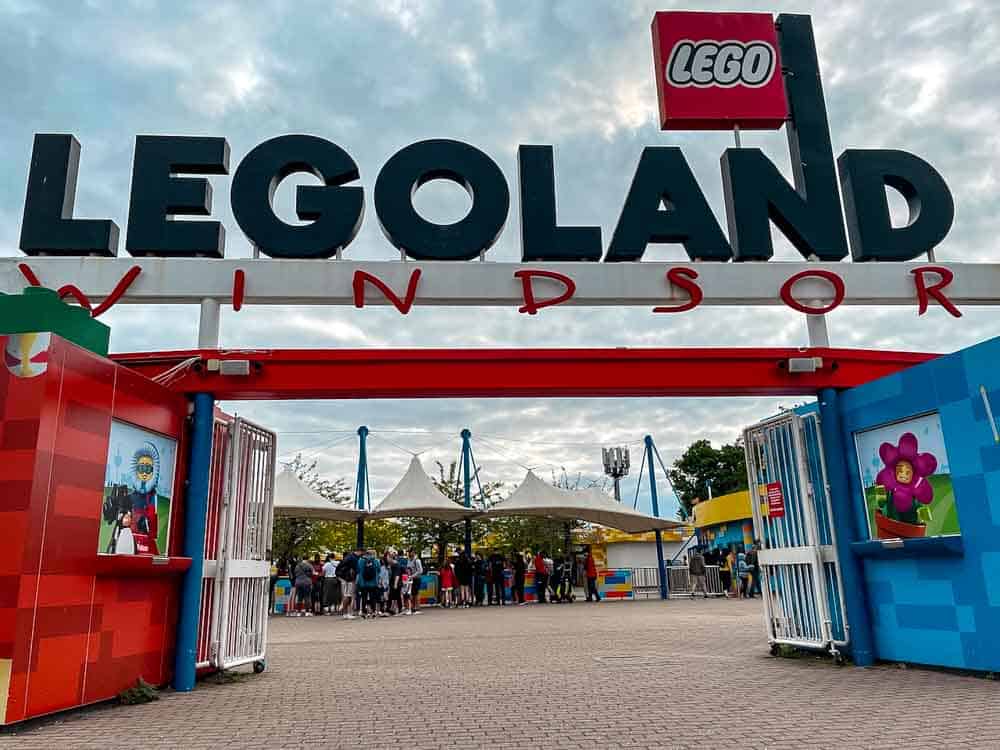
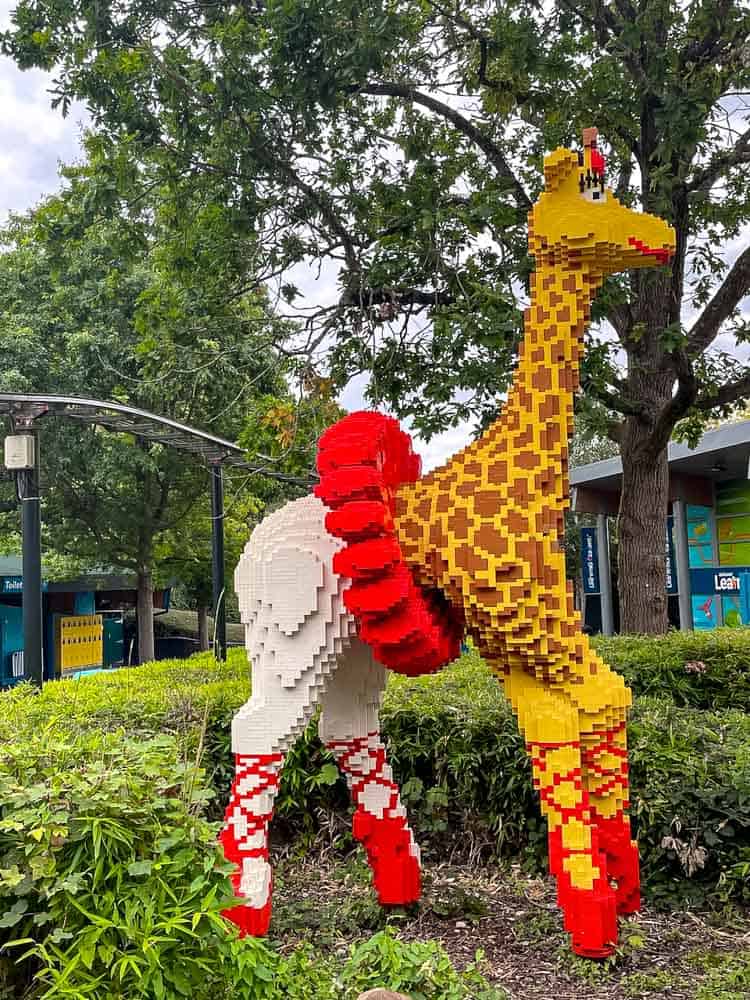
- LEGOLAND Windsor
- Chessington World of Adventures
Merlin parks operate under a separate accessibility system to Disney parks.
What Is an RAP?
RAP stands for Ride Access Pass.
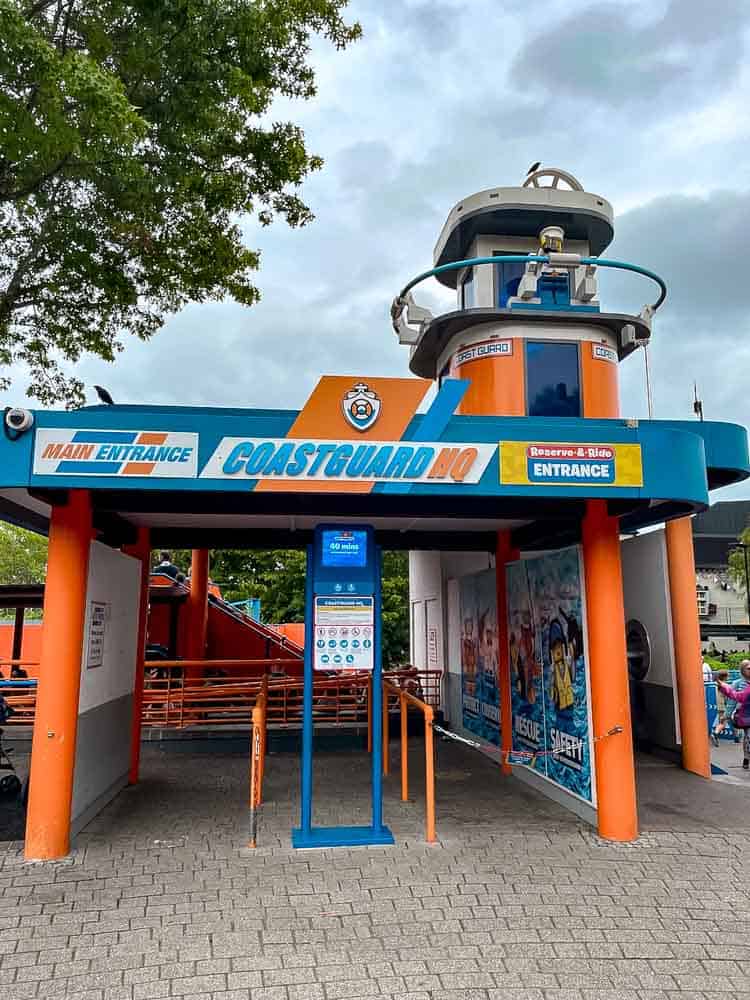
At Merlin parks, an RAP is designed to support guests who cannot queue in standard lines due to a disability or medical condition. Rather than waiting in a physical queue, guests are typically given a return time or alternative way to access attractions.
Merlin uses Access Cards issued by Nimbus Disability, which display symbols showing the type of access barrier a guest experiences. These symbols are then used by Merlin to decide eligibility for an RAP.
This is the system that has recently changed.
Why This Is Being Discussed Alongside Disneyland Paris
As news spreads that Merlin changes RAP Pass eligibility at its UK parks, it’s understandable that families are questioning whether similar changes could affect other destinations like Disneyland Paris.
However, it’s important to be clear:
- Merlin sets its own rules
- Disneyland Paris uses a different access model
- One system changing does not automatically mean another will follow
In the next section, I’ll explain what has actually changed at Merlin, and then we’ll look specifically at what this does (and doesn’t) mean for Disneyland Paris.

What ‘Merlin Changes RAP Pass’ Means in Practice
Merlin works with Nimbus Disability, who issue Access Cards using a system of symbols, with guidance published by Nimbus explaining how those symbols are used for Merlin’s Ride Access Pass.


In December 2025, Nimbus split one symbol…
- Difficulty Standing/Difficulty with Crowds (previously combined in one category – see illustration above)
…into two separate ones:
- Difficulty Standing
- Difficulty with Crowds
This change was intended to give venues clearer information about why someone struggles with queues.
Merlin has decided that from 2 February 2026, their Ride Access Pass will only be available to guests whose Access Card shows:
- Difficulty Standing
- Level Access
- Urgent Toilet Needs
Crucially:
➡️ Difficulty with Crowds alone will NOT qualify for a RAP at Merlin parks.
This symbol is most commonly given to people with:
- Autism
- ADHD
- Anxiety disorders
- Sensory processing differences
That’s why the reaction has been so strong. For many neurodivergent guests, queues are not ‘a bit uncomfortable.’ They are a genuine barrier.
Why Are People So Upset About This?
Because this change doesn’t just adjust a system, it redefines what counts as a ‘valid’ barrier.
For many families, RAP wasn’t about skipping queues. It was about:
- Avoiding sensory overload
- Preventing meltdowns or shutdowns
- Making visits possible at all
And yes, there’s also anger about fairness, invisible disabilities, and the feeling that support is being quietly withdrawn rather than replaced with something better.
Those feelings are real. They’re valid. And they deserve to be acknowledged.
Does This Affect Disneyland Paris?
No. Not at this time.
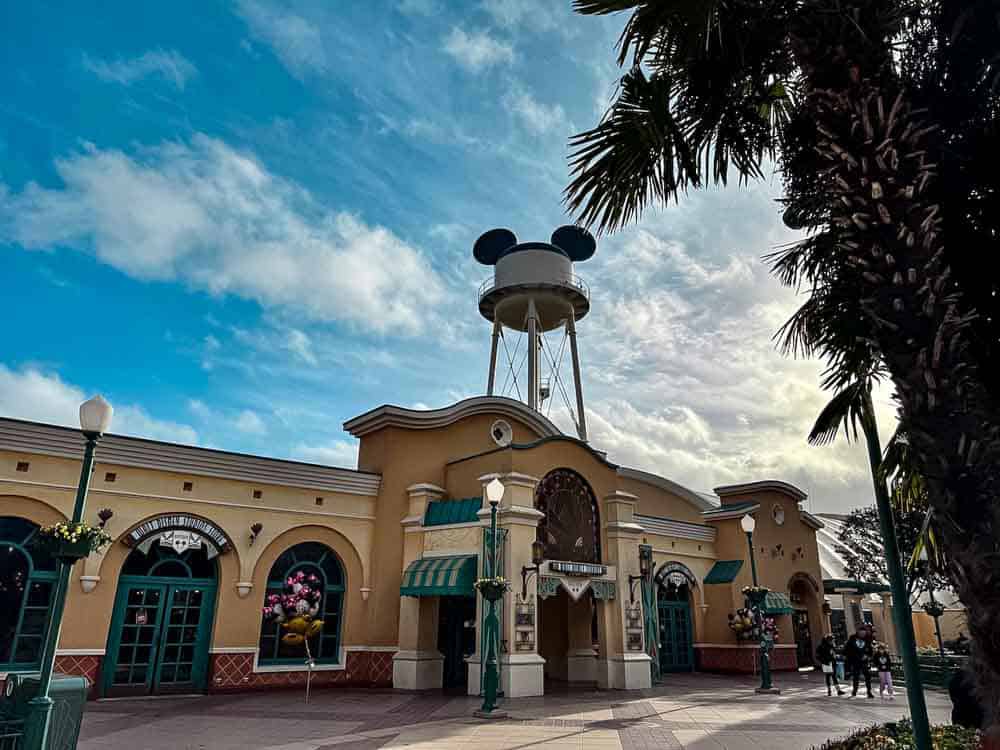
Disneyland Paris does not use the Nimbus symbol system in the same way Merlin does.
At DLP:
- Symbols on an Access Card do not determine eligibility
- Eligibility is based on medical documentation or recognised disability proof
- The focus is on whether queues present a substantial difficulty, not which icon appears on a card
Right now:
➡️ Nothing is changing at Disneyland Paris
➡️ Autistic and neurodivergent guests are still eligible for Priority or Easy Access passes (where criteria are met)
I’ve checked this directly, and you can also see current guidance here:
Could This Change at Disneyland Paris in the Future?
This is the question everyone is asking.
The honest answer is: it could, but there is no indication that it will imminently.
What is happening across the theme park industry is:
- Rising awareness of invisible disabilities
- More families seeking support (which is a good thing)
- Systems that were originally designed as short-term fixes being stretched
Theme parks are struggling to balance:
- Inclusion
- Capacity
- Guest experience for everyone
That tension is real, and it’s not going away.
But it’s important to separate:
❌ ‘This happened at Merlin, so Disney will do the same’
from
✅ ‘Theme parks are under pressure and may evolve their systems over time’
Those are not the same thing.
The Bigger Issue (and the One We Should Be Talking About)
The uncomfortable truth is this:
Access passes exist because theme parks still rely heavily on long, crowded queues.
They are a workaround, not a solution.
The real question isn’t:
‘Who deserves access more?’
It’s:
‘How do we design theme parks so fewer people are excluded in the first place?’
Things like:
- Faster and more accessible ride loading
- Better use of virtual queues
- Clearer quiet spaces
- Wider availability of return-time systems for everyone
Ironically, the old FastPass system did some of this well. Everyone had a limited chance to avoid queues. Now that functionality mostly sits behind a paywall, which creates its own problems.
If You’re Feeling Anxious Right Now
If you’re planning a Disneyland Paris trip and this news has shaken you, here’s what I want you to know:
- You have not missed anything
- You do not need to panic-cancel trips
- You are not ‘about to lose access’
If anything does change in the future, it will:
- Be announced
- Come with guidance
- Give families time to adapt
And I will be talking about it clearly, calmly, and honestly if and when that happens, so if you’re on my newsletter list, trust me, you’ll hear about it.
Some frequently asked questions
What If It Did Change in the Future?
It’s worth saying this gently: nothing is changing at Disneyland Paris right now. But if you’re the kind of person whose brain keeps asking ‘yes, but what if?,’ here’s what that would realistically look like.
If Disneyland Paris ever adjusted its accessibility or priority pass system, it wouldn’t mean support disappears overnight. It would more likely mean different ways of managing queues, many of which already exist in other parks.
For example, if a priority-style pass was no longer available to you, you would still have options, such as:
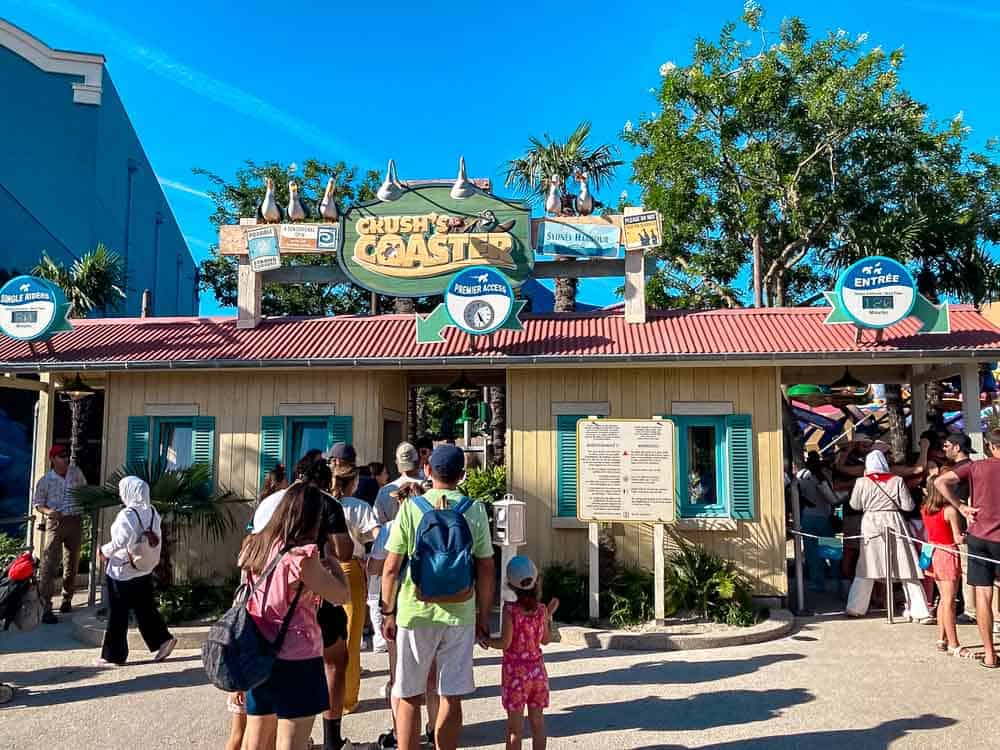
- Using Premier Access for selected attractions, which allows you to bypass long queues on rides where waiting would be particularly difficult.
- Visiting at quieter times of year, or choosing quieter days of the week, which can dramatically reduce queue lengths without changing how you tour the parks.
- Being selective with queues, choosing attractions or character meets with shorter or more manageable waits, especially outdoor queues where space and airflow make a big difference.
- Splitting the queue experience, where part of your group waits while others join later once the line is closer to the front. This is already how some access systems work in other theme parks, including at Universal in Orlando.
None of these options are perfect, and none replace the value of inclusive design. But they are reminders that access doesn’t suddenly vanish, even if systems evolve over time.
And if changes ever were announced, there would be clear communication, guidance, and time to adapt. You would not be expected to figure it out on your own.
Final Thought
I wish access systems didn’t put families in a position where they feel they have to justify their needs, compare disabilities, or defend their right to joy.
Everyone deserves to experience Disneyland in a way that feels safe, manageable, and meaningful to them.
Right now, nothing is being taken away at Disneyland Paris.
And that matters.
✨ Read Next… ✨
Grab more Planning Tips