

Disneyland Paris Border Checks: What EES Means For UK Travellers (Updated for 2026)


If you’ve heard people talk about ‘the new border checks’ and wondered what you’re actually walking into on your next Disneyland Paris trip, you’re not alone. Since April 2026, the EU’s Entry/Exit System (EES) has been fully up and running, and it changes how we cross the border from the UK to France (and every other Schengen country).
I’ve pulled everything together here so you know exactly what’s happening, how it’s different from before, and what it means whether you’re travelling by plane, ferry, or Eurostar.
Oh, and before we start: this is not ETIAS. That’s a completely different scheme (ETIAS is basically an electronic travel authorisation, a bit like the US ESTA) which is coming later. If you want the lowdown on ETIAS and when it might arrive, I’ve got a whole separate post about that — check on ETIAS here. For now, let’s focus on EES.


What is the Entry/Exit System (EES)?
- It’s a new digital border system being introduced across the EU/Schengen Area.
- Instead of manual passport stamps, the system will record your entry and exit electronically.
- On your first crossing, you’ll need to provide biometrics: fingerprints and a facial photo.
- After that, your data stays in the system for 3 years, so future trips should be quicker (usually just a quick photo check).
- It applies to non-EU travellers — which includes us in the UK — but not to EU/Schengen citizens or residents.
Where Things Stand With the Entry/Exit System (EES) Right Now
Three things you should know:
- EES has been fully live since 10 April 2026. The phased rollout that started in October 2025 finished on schedule, and every UK traveller crossing into the Schengen Area now goes through it.
- EES hasn’t been perfectly smooth everywhere. Some airports and ports had a rough few months as new kiosks and staff bedded in, and a few of the busiest crossings have used a rule that lets them briefly pause EES checks at peak times if queues get out of hand. That’s less about the system failing and more because it’s still finding its feet at this scale. 👉 Park this part under: Worth knowing, not worth worrying about.
- ➡️ The UK government’s official guide is still the best place to check for anything that’s changed since this was last reviewed.
What It’s Actually Been Like At The Border
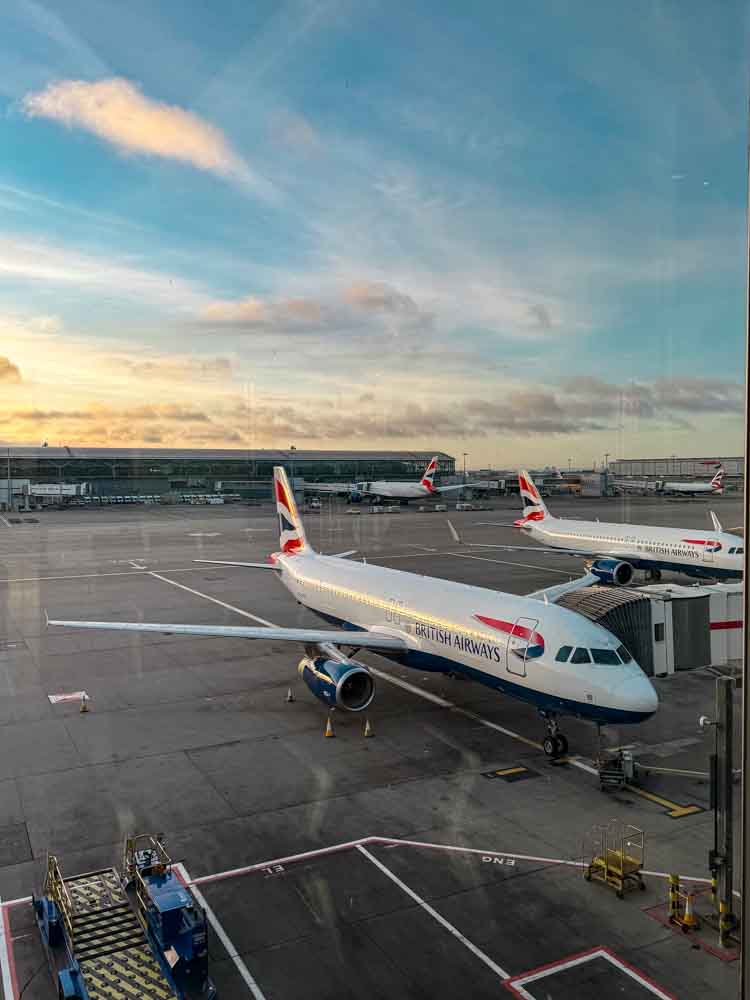
Rules are one thing — what it’s actually like standing in the queue is another, so here’s what it was actually like when I went through it myself, flying Heathrow to Charles de Gaulle and back with British Airways in June 2026.
On the way out (Heathrow to CDG), this is where EES actually happens
Arriving at CDG is where EES is meant to happen — but the machines were switched off the day I landed.

I went through a standard automatic gate (passport scan, then face scan) with no biometric step at all, and a staffed kiosk sitting right there as backup. I’ve since heard this is common this summer: airports are allowed to pause EES at busy periods to stop queues backing up, so there’s a real chance yours won’t run either.
Coming home, the border itself wasn’t the issue — the airport was (more on navigating CDG is in our guide). Lots of you in our Facebook Group have said the same about summer trips: the family line has been the actual bottleneck, not EES.
Takeaways:
- EES isn’t guaranteed to run, even when it’s meant to — airports can switch it off at peak times.
- When it is running, the gates themselves are quick, with a staffed kiosk as backup.
- The family line is the one to watch on a busy day at CDG airport, especially in summer.
- It’s usually quicker the second time. The system already has your details on file, so return crossings should be a straightforward photo/face match.
I’ll keep updating this as more of you share how it went — let me know in the comments below what your experience was like.
Does this apply to children?
Yes!
- Under 12s: no fingerprints, just a photo.
- 12 and over: photo + fingerprints, same as adults.
- Parents/guardians will go through the process with their kids.
And just like adults, children are also counted under the 90 days in any 180 rule.
How the new Disneyland Paris border checks compare to travel now ✨
Here’s the simple version:
| Travel Mode | Before EES | Now |
|---|---|---|
| Plane | Passport stamped on arrival/departure; manual check by border staff. | First trip: biometrics taken at airport border control. Future trips: photo/face match. |
| Ferry (e.g. Dover–Calais) | Passport checked/stamped before boarding or on arrival. | Kiosks in a new pre-registration area at Dover before boarding. Biometrics taken on first trip. |
| Eurostar (St Pancras) & Eurotunnel (Folkestone) | Passport checks + stamps before departure. | New kiosks before boarding to collect biometrics. You’ll still clear French border controls in the UK. |

What this means for your Disneyland Paris trip
- Expect it to take a little longer the first time it happens to you — especially at Dover, Folkestone, and St Pancras. Build in extra time!
- Once you’re registered, it’s easier next time — your details last 3 years.
- No action needed before you travel — you don’t apply online, there’s no fee, no app. Just be ready to use the kiosks when you travel.
- Still the same Schengen rule — you can spend up to 90 days in any 180-day period in the Schengen Area. The new system just enforces it more precisely.
EES vs ETIAS: Don’t Get Confused!
Here’s the big thing: EES and ETIAS are not the same.
- EES (Entry/Exit System): biometric checks at the border, live since April 2026. No cost, no pre-application — it just happens as you cross.
- ETIAS (European Travel Information and Authorisation System): an online travel authorisation (like America’s ESTA). It’s not live yet — the EU had been targeting late 2026, but that date has recently been pulled from the official ETIAS site, and a 2027 launch now looks more likely. I’ll update this the moment there’s a confirmed date, but for now: nothing to apply for, nothing to pay for now, nothing to do.
So EES = checks at the border, ETIAS = an online pass you’ll apply for in future.


👱🏻♀️ Final thoughts
Change always sounds scarier than it really is. Yes, EES is still finding its feet a little bit and it might mean a bit more waiting around on your first crossing. But once you’ve done the initial registration, it should make future travel smoother.
I’ll be keeping an eye on how this plays out at Dover, St Pancras, Folkestone, and the airports we all use for Disneyland Paris trips. As soon as the new kiosks appear and real experiences start coming in, I’ll update you via my Tuesday News Club letter.
👉 And don’t forget: if you want the full picture (airports, Eurostar, driving, EES and ETIAS), hop over to my DLP Travel Guides Section so you’re totally prepared.